How much does a backpack weigh? Most empty backpacks weigh between 1 and 6 pounds (0.45 to 2.7 kg), depending on the type, size, and materials used. A school backpack feels almost weightless. A multi-day hiking pack feels like carrying a small dog.
The real question isn’t just the empty weight, though. It’s whether your loaded backpack weight is safe for your body. Carry too much, and you risk back pain, poor posture, and a miserable trip. This guide breaks down average backpack weight by type, what a safe loaded weight looks like, and how to lighten your load without leaving essentials behind.
Table of Contents
Average Backpack Weight by Type
Backpack weight swings widely based on what the bag is built to do. A laptop backpack needs padding and structure. A daypack needs almost none. Here’s how the numbers stack up across the most common categories.
School backpacks
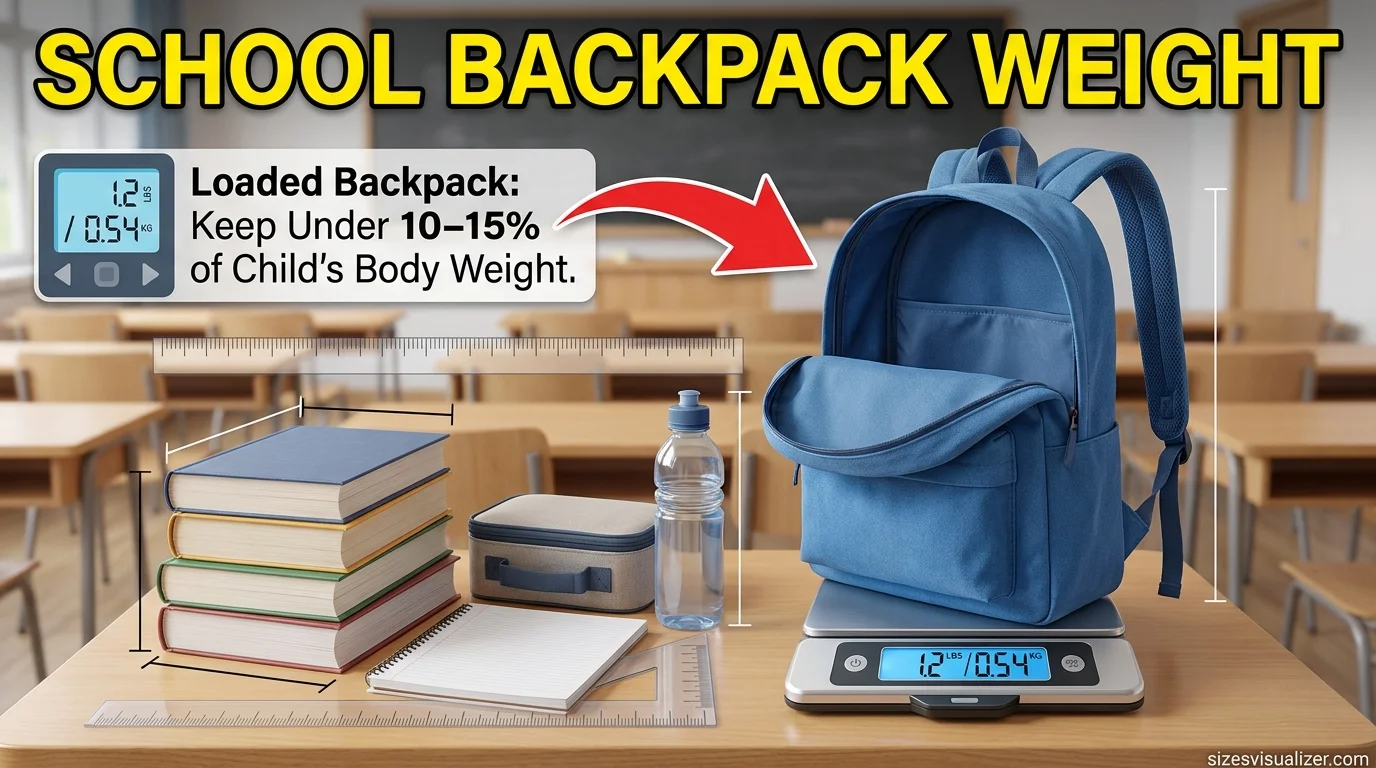
School backpacks typically weigh 1 to 2 pounds (0.45–0.9 kg) empty. Smaller models for younger kids weigh even less. Once you add textbooks, a laptop, and a lunch, that number climbs fast — which is why pediatric health groups pay close attention to this category.
Laptop and college backpacks
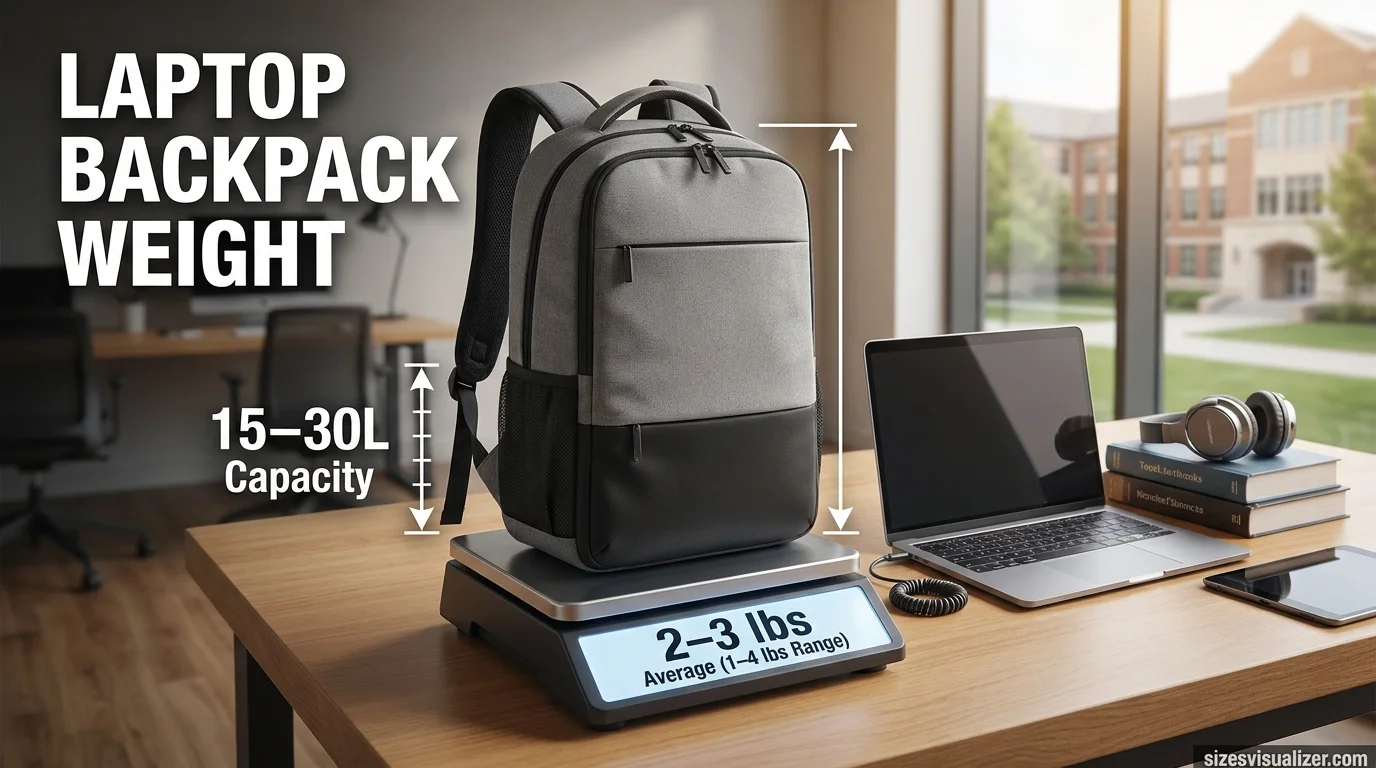
Laptop and college backpacks run heavier, usually 1 to 4 pounds, averaging around 2 to 3 pounds. The padded sleeve, extra zippers, and reinforced base panel all add ounces. A bag with a charging port or anti-theft zipper will sit at the higher end of that range.
Travel backpacks
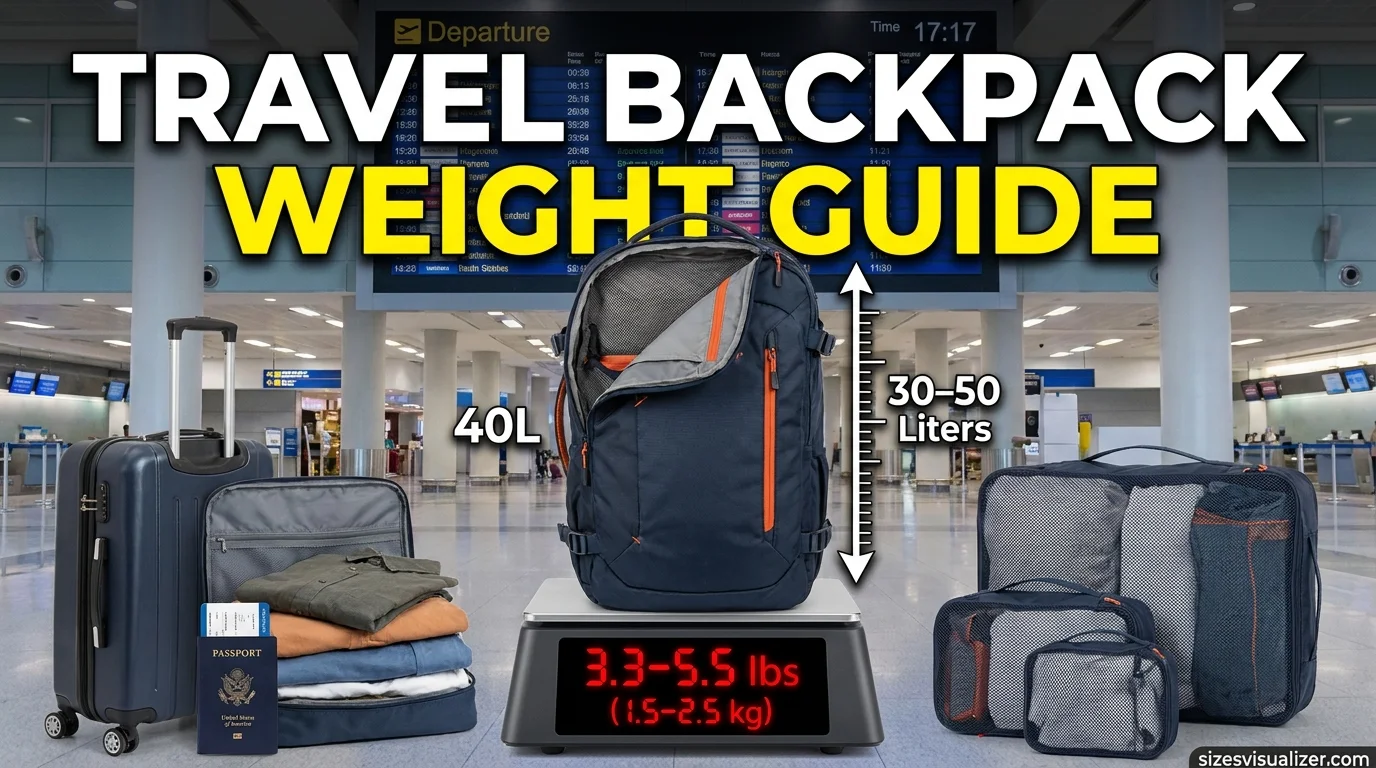
Travel backpacks average 3.3 to 5.5 pounds (1.5–2.5 kg) empty. These bags carry structure — lockable zippers, padded hip belts, suitcase-style openings — so they naturally weigh more than a simple daypack.
Hiking and backpacking packs
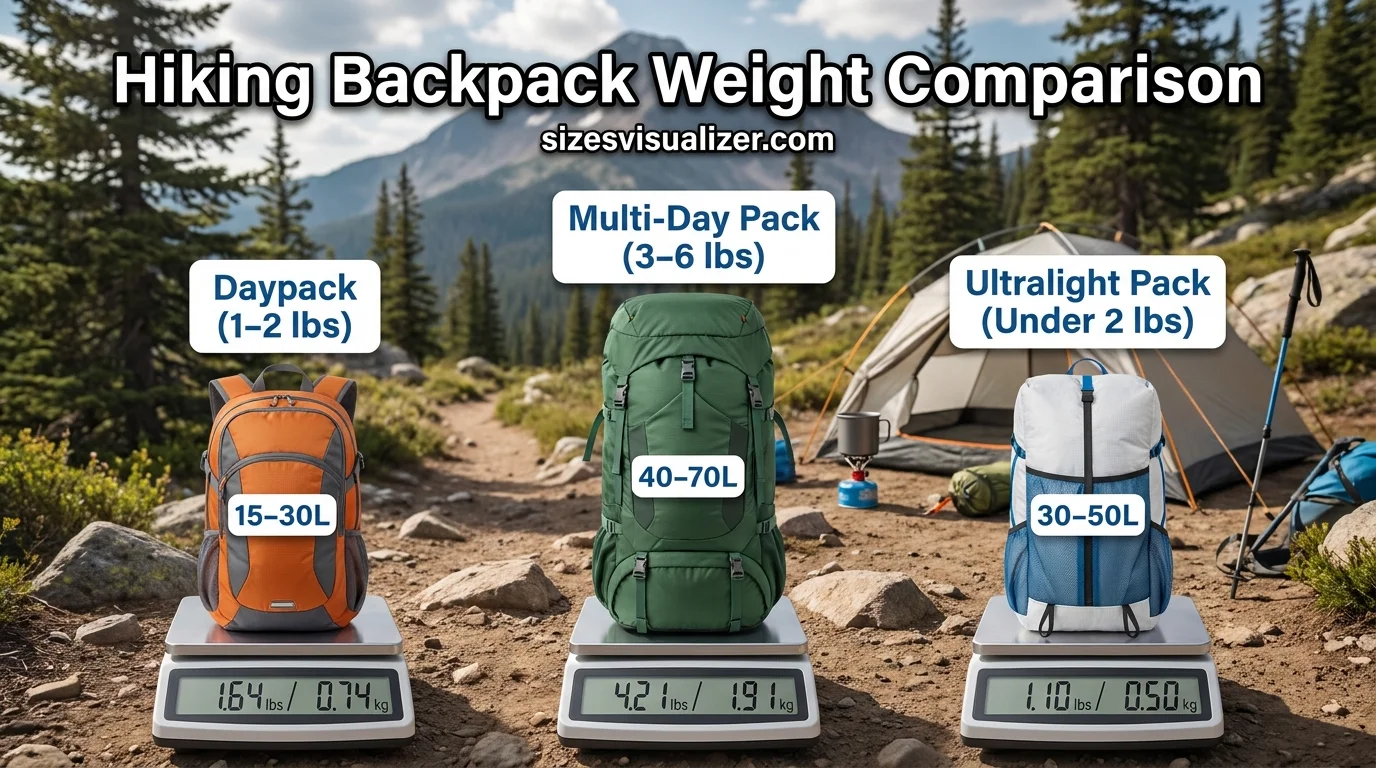
Hiking and backpacking packs vary the most, because they span three very different use cases:
- Daypacks (15–30L): 1 to 2 pounds
- Multi-day packs (40–70L): 3 to 6 pounds
- Ultralight packs (30–50L): under 2 pounds, sometimes under 1
Military and tactical backpacks
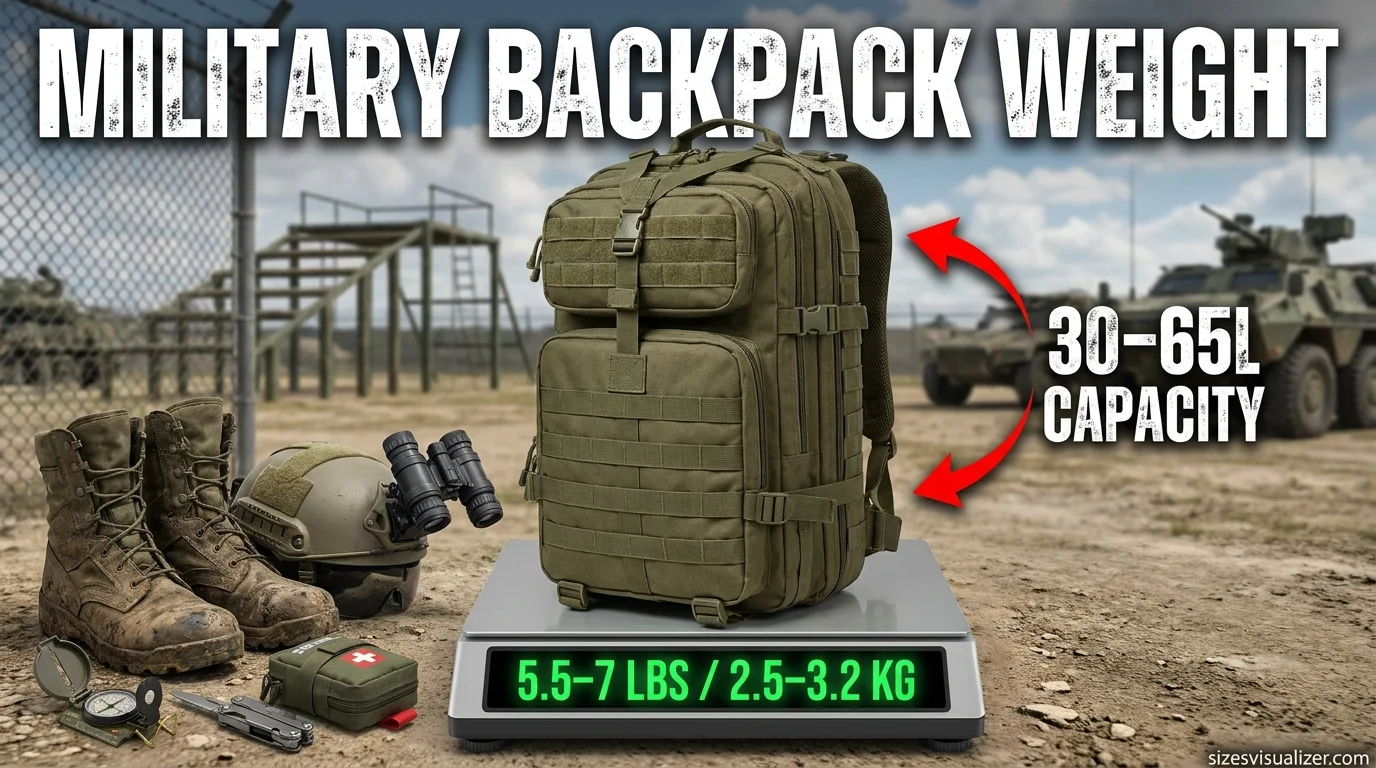
Military and tactical backpacks are a category worth separating out, since they’re built for durability over comfort. A standard military rucksack (like the MOLLE II) weighs roughly 5.5 to 7 pounds empty — noticeably heavier than a civilian pack because of the reinforced stitching, MOLLE webbing, and ballistic-grade fabric.
Bulletproof and safety backpacks
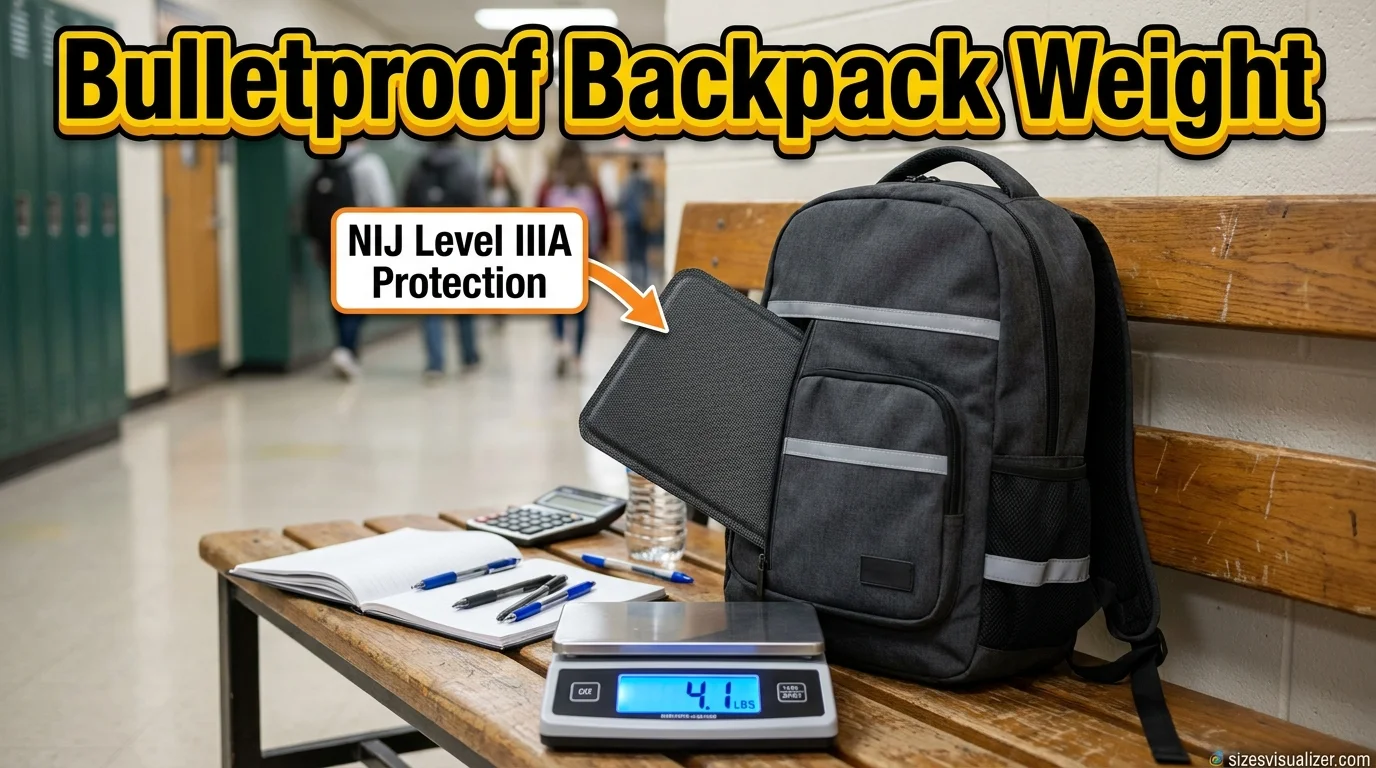
Bulletproof and safety backpacks are a newer category gaining attention in the U.S. school market. These bags use ballistic panels (often rated NIJ Level IIIA) that add 1.5 to 3 pounds on top of the standard bag weight. A parent shopping for one should expect a finished bag closer to 3 to 5 pounds empty — heavier than a typical school pack, but far lighter than body armor.
Use our Size Visualizer Tool to compare dimensions with real-world objects and explore accurate, interactive scale visualizations in seconds.
| Backpack Type | Empty Weight (lbs) | Empty Weight (kg) | Typical Capacity |
|---|---|---|---|
| School | 1–2 | 0.45–0.9 | 15–25L |
| Laptop/College | 1–4 | 0.45–1.8 | 15–30L |
| Travel | 3.3–5.5 | 1.5–2.5 | 30–50L |
| Daypack | 1–2 | 0.45–0.9 | 15–30L |
| Multi-day | 3–6 | 1.4–2.7 | 40–70L |
| Ultralight | Under 2 | Under 0.9 | 30–50L |
| Military/Tactical | 5.5–7 | 2.5–3.2 | 30–65L |
| Bulletproof/School Safety | 3–5 | 1.4–2.3 | 15–20L |
How Much Should a Loaded Backpack Weigh
Empty weight only tells half the story. What matters more is how much your loaded backpack weighs once you pack it — and that’s where most people get it wrong.
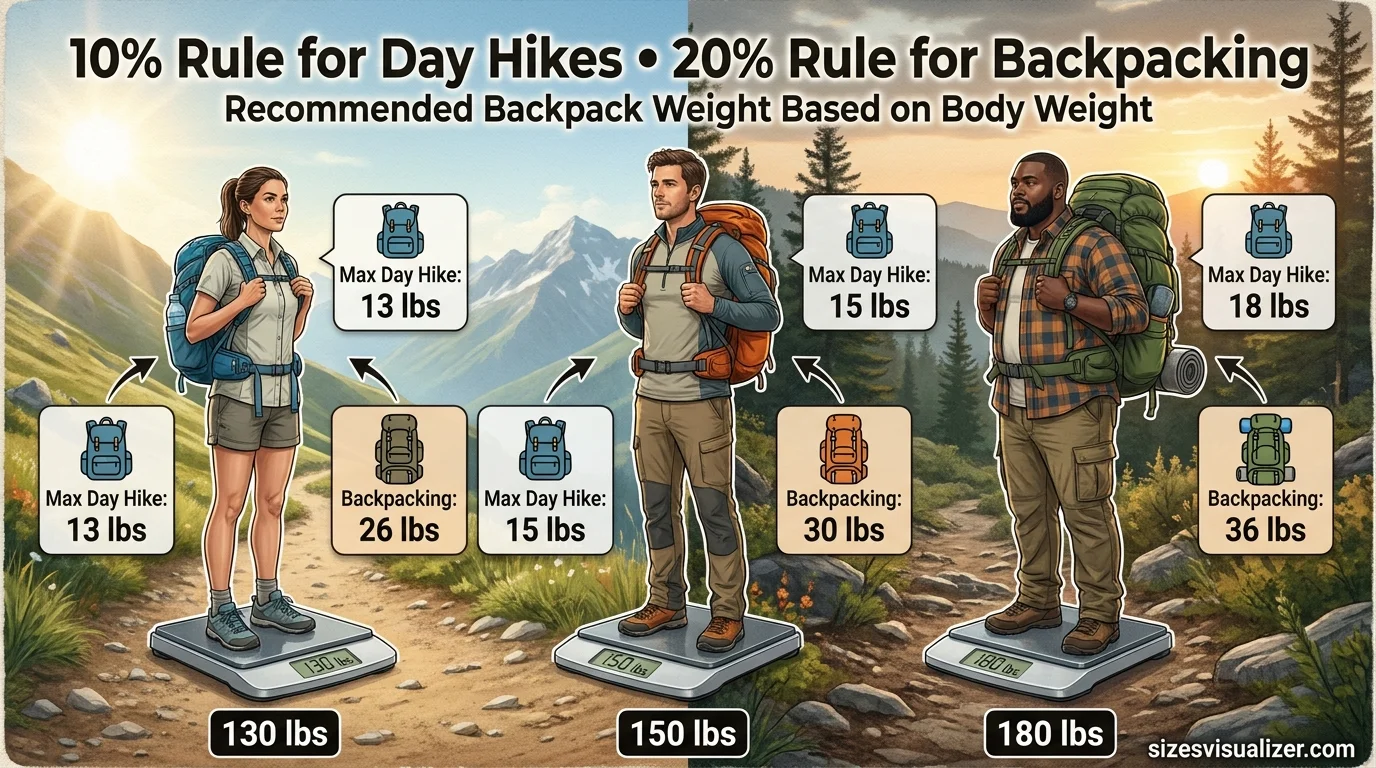
Backpacking guides and pediatric researchers largely agree on a simple benchmark: your loaded pack weight should stay within a percentage of your body weight. This is often called the 20% rule, though the exact number shifts depending on the activity.
Here’s how that plays out at different body weights:
| Body Weight (lbs) | Day Hike Max (10%) | Backpacking Max (20%) |
|---|---|---|
| 130 | 13 lbs | 26 lbs |
| 150 | 15 lbs | 30 lbs |
| 180 | 18 lbs | 36 lbs |
| 200 | 20 lbs | 40 lbs |
For school-age kids, the recommendation is stricter. The American Academy of Pediatrics and the American Chiropractic Association both recommend a loaded school backpack stay under 10 to 15% of a child’s body weight — closer to 5% for younger children still developing spinal strength.
Quick weight conversions, since U.S. shoppers see both units depending on the brand:
- 1 kg ≈ 2.2 lbs
- 2.5 kg ≈ 5.5 lbs
- 5 kg ≈ 11 lbs
- 7 kg ≈ 15.4 lbs
- 10 kg ≈ 22 lbs
Must Visit: What Does 5 Pounds of Fat Look Like? Body Comparisons & Muscle vs Fat Explained
What Affects Backpack Weight
Several design choices push a bag’s weight up or down before you even pack it.
Materials
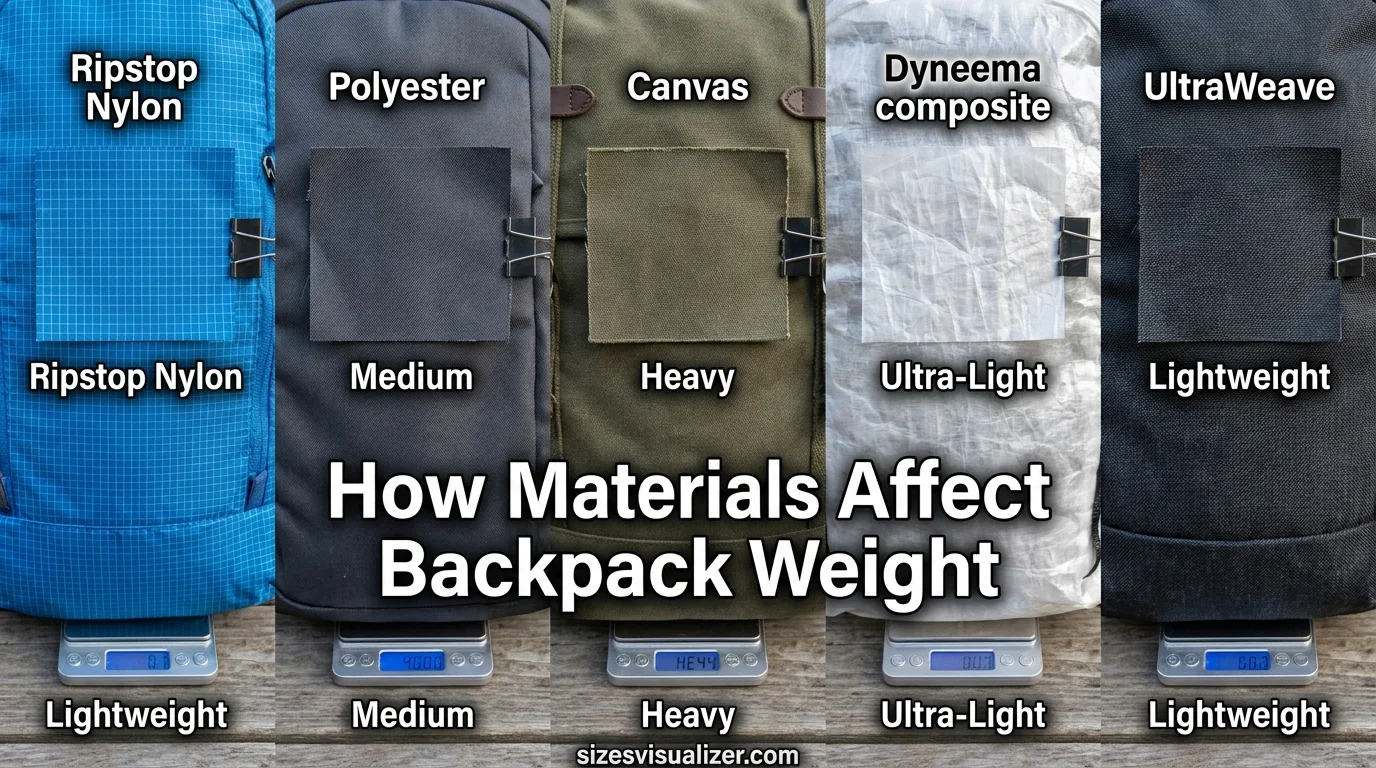
Materials make the biggest difference. Nylon and polyester are the industry standard for lightweight strength — ripstop nylon in particular resists tearing without adding bulk. Canvas looks classic but weighs noticeably more. Dyneema and UltraWeave, used in premium ultralight packs, cost more per ounce but shave serious weight off a multi-day load.
Frame type
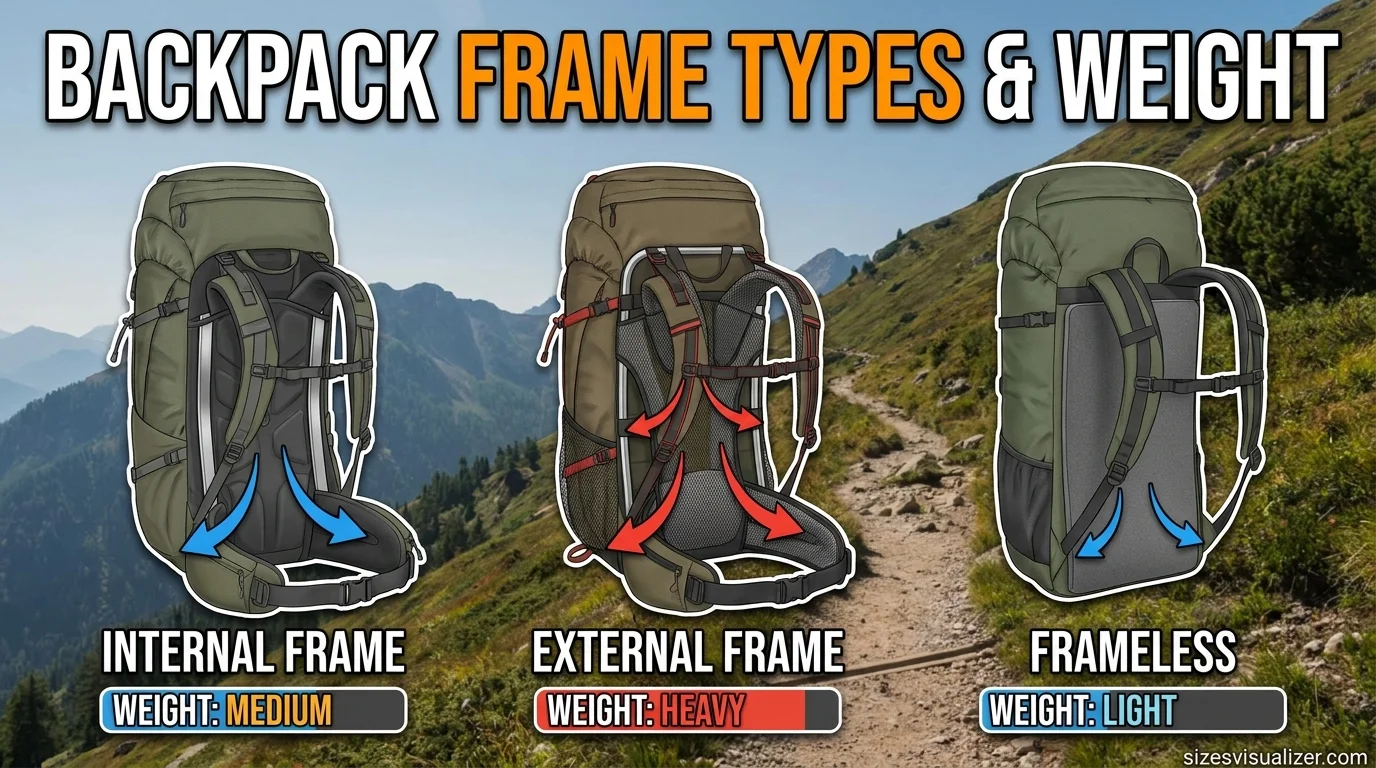
Frame type matters just as much. An internal frame hides support rods inside the pack body and helps distribute weight across the hips. External frame packs, less common now, use a visible aluminum frame built for heavy, awkward loads. Frameless packs skip structure entirely — lighter, but only comfortable if your gear list is already lean.
Size and capacity
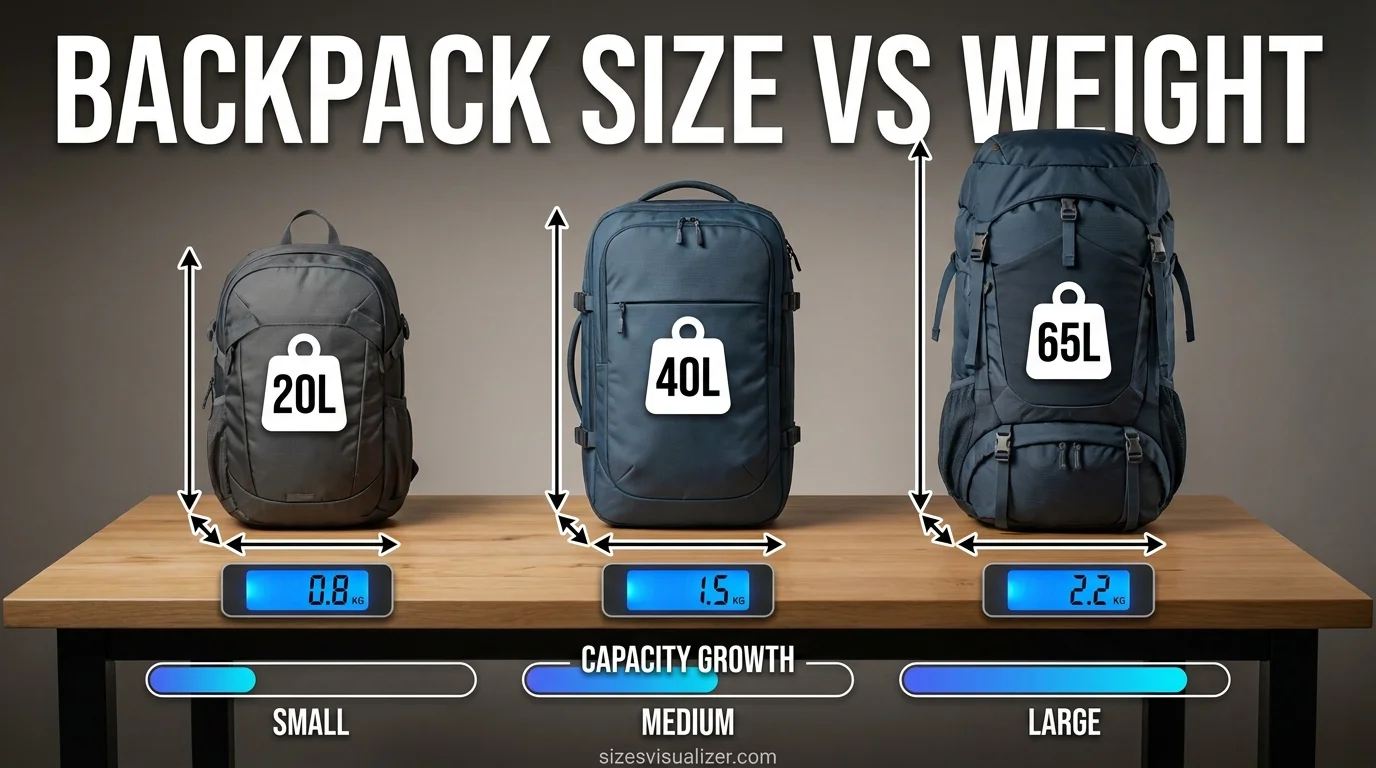
Size and capacity, measured in liters, drive up fabric use, zipper count, and strap hardware. A 65L pack will always weigh more than a 20L pack of the same material, simply because there’s more bag to build.
Padding and extra features
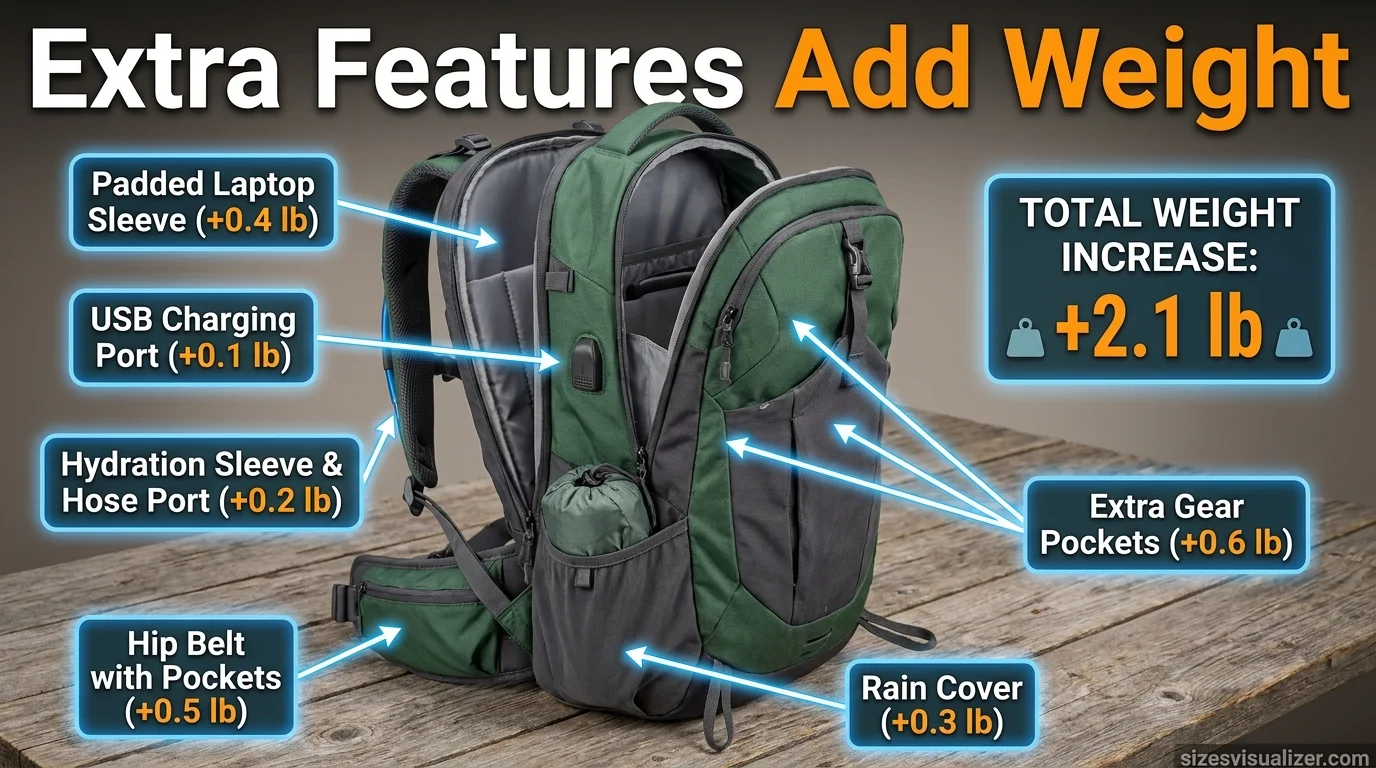
Padding and extra features — laptop sleeves, USB ports, rain covers, hydration sleeves — each add a small amount of weight individually, but they stack up quickly on a fully loaded travel or tech backpack.
Airline carry-on rules
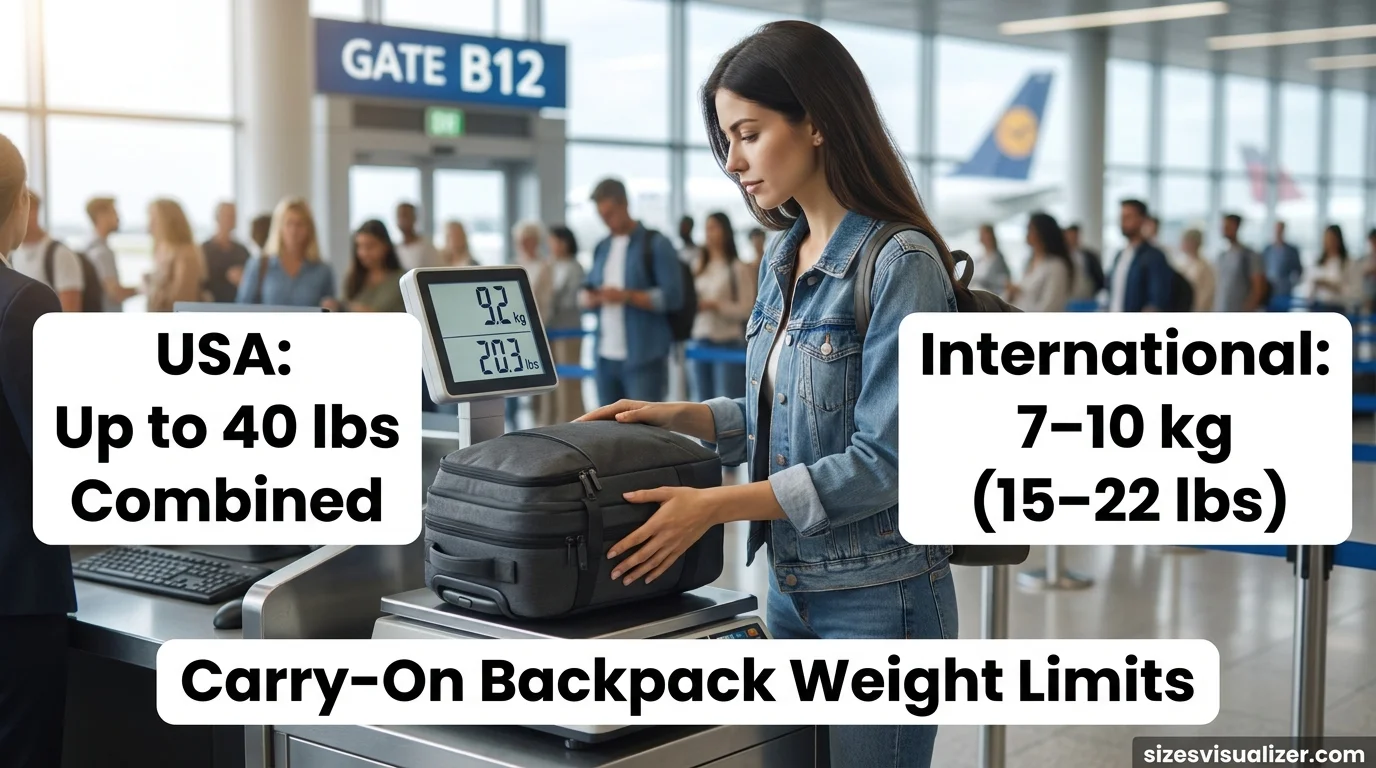
Airline carry-on rules are a factor travelers often overlook. Most U.S. carriers cap carry-on weight at 40 pounds combined for personal item and carry-on, though many don’t enforce a strict scale check at the gate. International carriers, especially in Europe and Asia, are stricter — some cap carry-ons at 7 to 10 kg (15–22 lbs). If you’re flying with a loaded travel backpack, checking your airline’s specific limit before departure saves you an unpleasant surprise at check-in.
Is Your Backpack Too Heavy? Warning Signs
A backpack that’s too heavy doesn’t always feel wrong right away — the strain builds gradually.
Common warning signs include shoulder or neck pain, tingling or numbness in the arms, leaning forward to compensate for the load, and fatigue that hits earlier than usual on a hike or walk to class. Research published on backpack loads in schoolchildren found that 68% of kids carrying heavy packs reported back pain lasting more than six months — a strong signal that “toughing it out” isn’t the right call.
If you notice red marks from the straps, or if you’re unconsciously hunching to balance the load, your pack has crossed from manageable to harmful. The fix is almost always the same: reduce the loaded weight, then reassess how it feels.
How to Reduce Your Backpack Weight
Cutting pack weight starts with knowing your base weight — everything you carry except food, water, and fuel. Once you know that number, a few habits make a real difference.
Lay out your gear before every trip
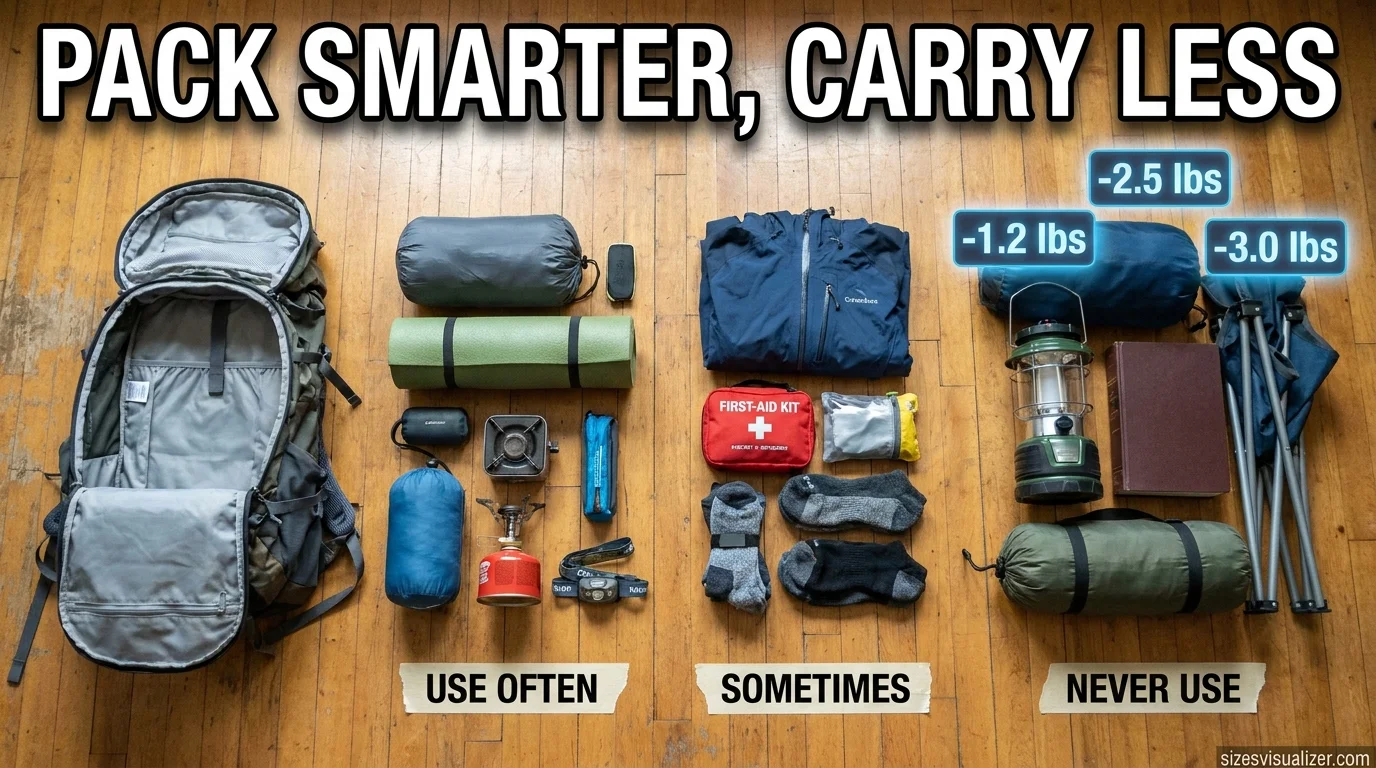
Sort it into three piles: used often, used occasionally, never used. Cut the third pile completely.
Choose multi-use items
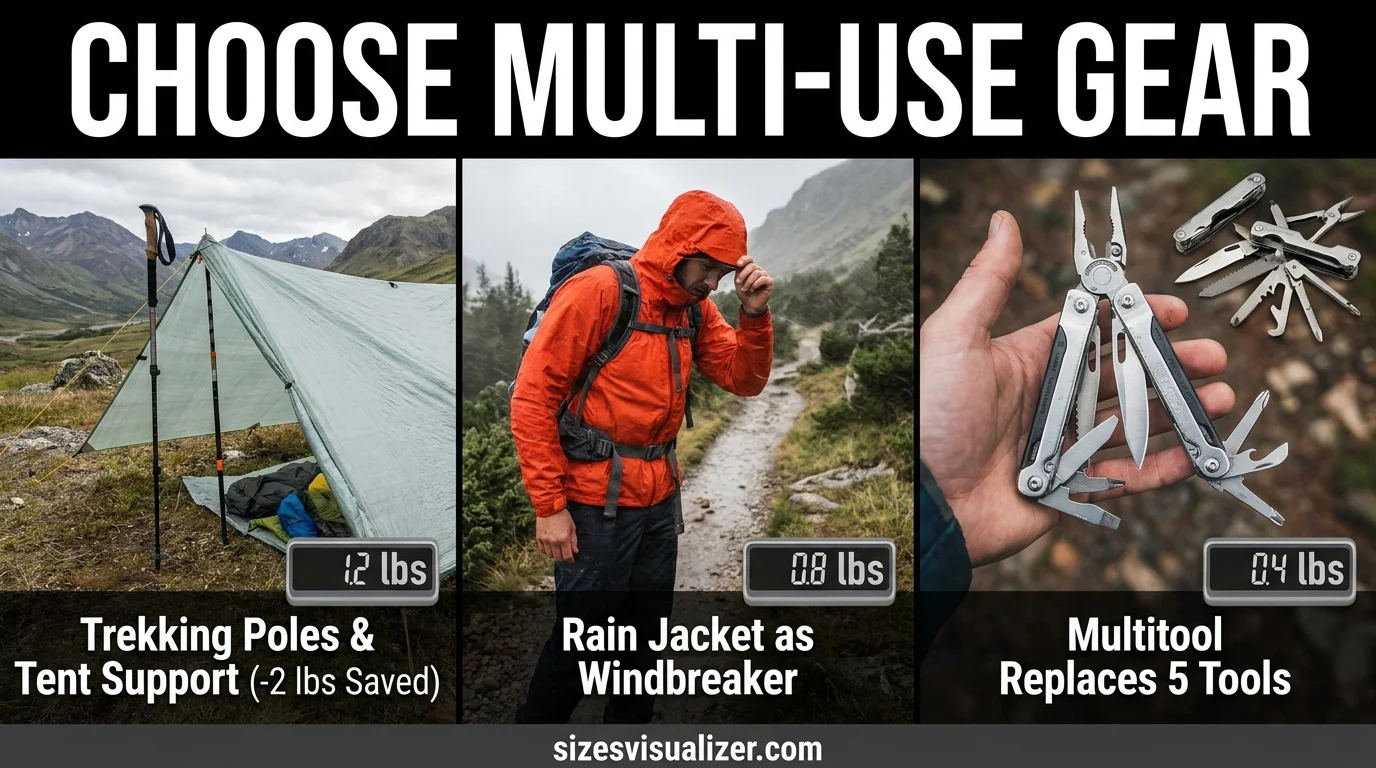
A trekking pole that doubles as a tent support, or a rain jacket that works as a windbreaker, saves both weight and pack space.
Swap heavy staples for lighter versions
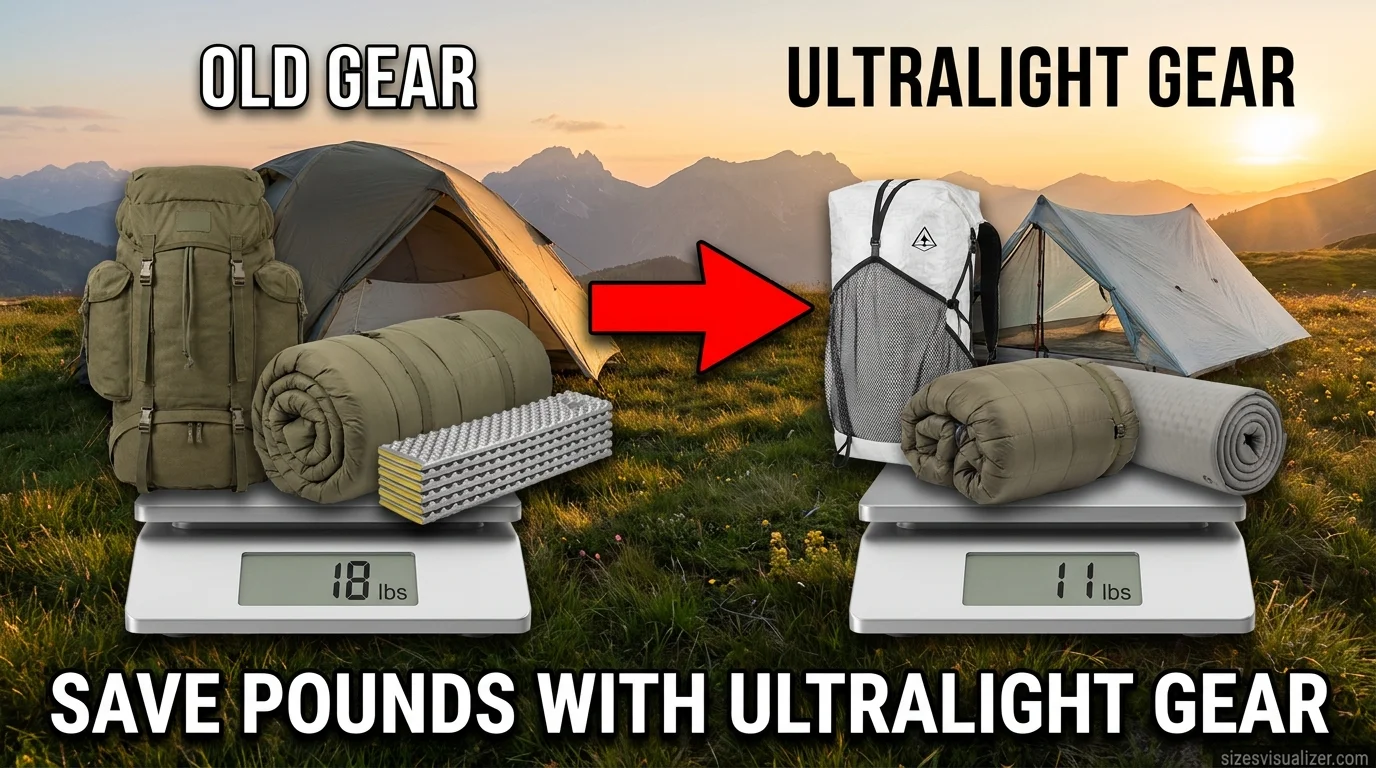
The “big four” — pack, tent, sleeping bag, and sleeping pad — usually offer the biggest weight savings when upgraded.
For parents packing school-age kids
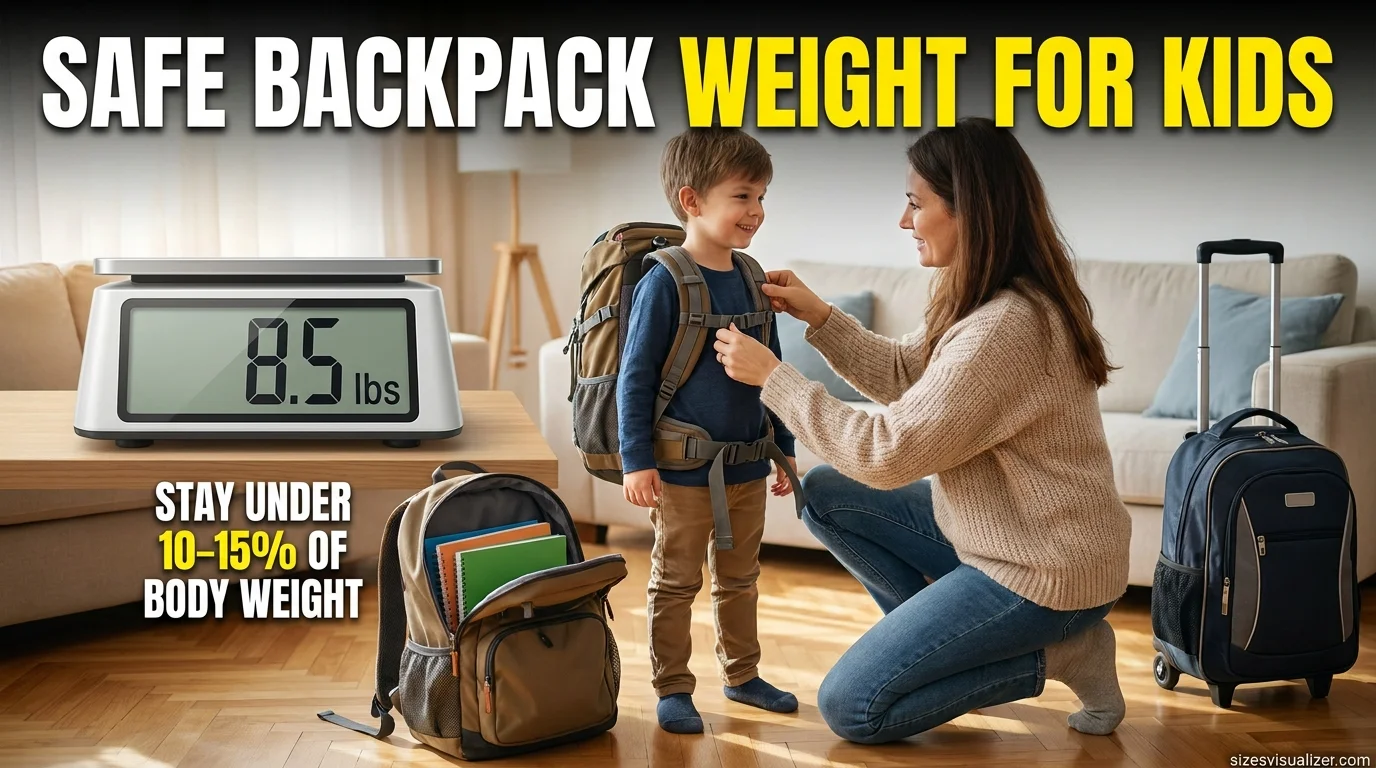
The fix looks different. Choose a bag with a padded, adjustable hip belt even for school use, only load books needed that day, and consider a rolling backpack for kids who carry unusually heavy loads on paved routes. Teachers and school nurses increasingly recommend checking a child’s backpack weight monthly, since growth spurts change what’s a safe percentage of body weight.
Repackage and consolidate
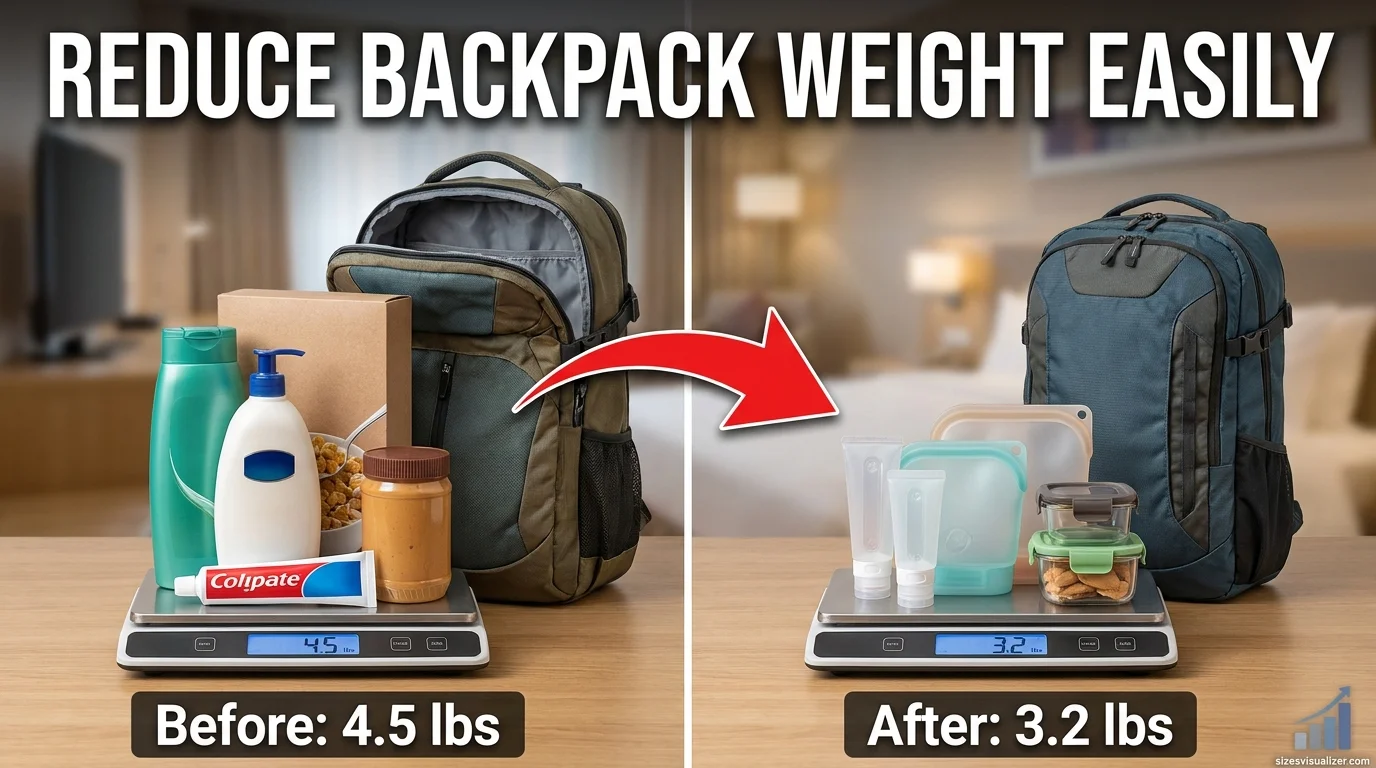
Skip the original packaging for toiletries and food — small reusable containers save real ounces without sacrificing anything you need.
FAQs
Is 2.5 kg heavy for a backpack?
No. 2.5 kg (about 5.5 lbs) is light to moderate for most backpacks. It’s a typical empty weight for a travel or multi-day hiking pack, and well under the loaded-weight limit for most adults following the 20% rule.
Is a 17 pound backpack heavy?
It depends on your body weight. For a 150-pound adult, 17 pounds sits just above the 10% day-hiking guideline but well under the 20% backpacking limit. For a child, 17 pounds is likely too heavy and exceeds the recommended 10–15% of body weight for most kids under 100 pounds.
How heavy is a 40 litre backpack?
A 40L backpack typically weighs 2 to 4 pounds (0.9–1.8 kg) empty, depending on the material and frame. Loaded with gear for an overnight trip, expect the total to land between 15 and 25 pounds.
Is a 7kg backpack heavy?
7 kg (about 15.4 lbs) is on the heavier side for daily carry but reasonable for a loaded backpacking pack. For a 150-pound hiker, it’s just under the 10% day-hike guideline — manageable, but worth monitoring on longer treks.
What is the 20% rule for backpacking?
The 20% rule states that a loaded backpacking pack shouldn’t exceed 20% of your body weight. For day hikes, the safer ceiling drops to 10%. This guideline, widely used by outdoor retailers and hiking guides, helps prevent back strain and keeps your pace sustainable over long distances.
Is 5kg heavy for a backpack?
5 kg (about 11 lbs) is moderate. It’s a normal loaded weight for a day hiking pack and sits comfortably under the 20% rule for most adults over 110 pounds. For children, though, 5 kg may already exceed the recommended 10–15% of body weight, depending on the child’s size.
Conclusion
Backpack weight isn’t one-size-fits-all — it depends on the type of bag, what you’re carrying, and your own body weight. As a rule of thumb, keep loaded packs under 10% of body weight for day hikes and 20% for multi-day trips, and check kids’ school bags more often than you’d think. Weigh your pack before you head out, trust the numbers over guesswork, and adjust your load before your body forces you to.

Measurement Researcher, Size Comparison Writer & Content Specialist
Timmy Ahad is a dedicated content writer and research specialist at SizesVisualizer.com, where he focuses on creating accurate, easy-to-understand content about measurements, dimensions, size comparisons, and real-world object visualization.