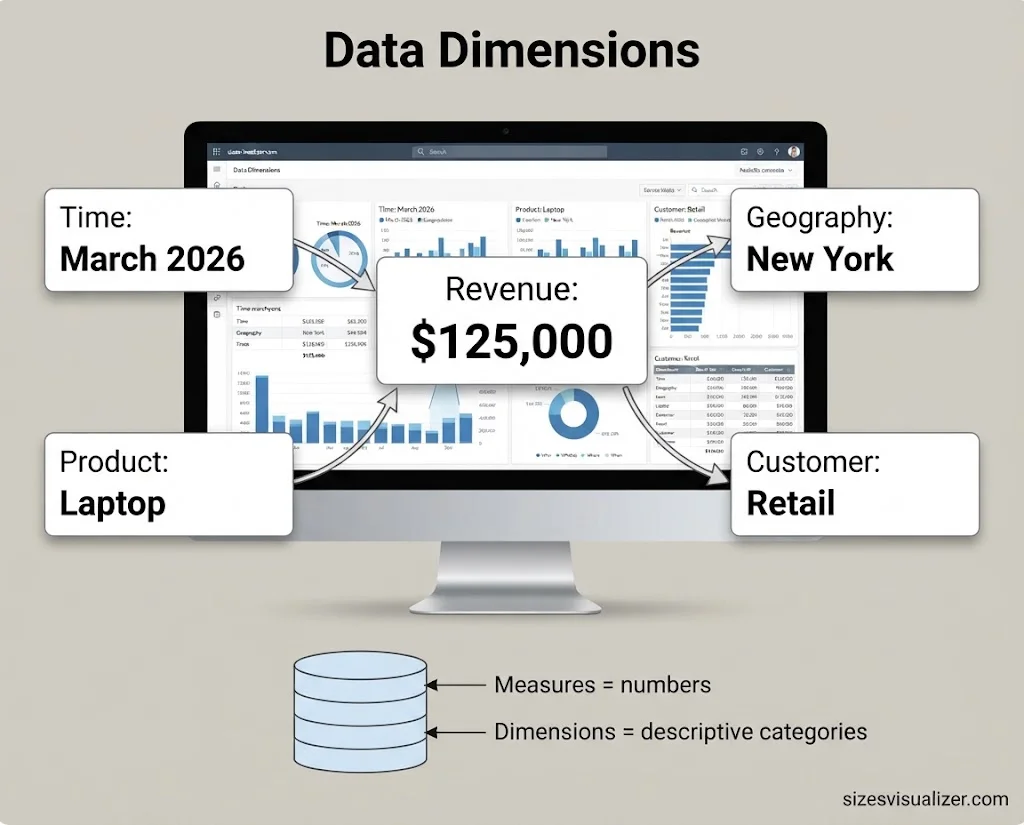
Data dimensions are the labels that describe a data value. They tell you who, what, where and when. A sales number alone means little. Add a store, a product and a date, and it becomes useful.
This guide keeps it simple. You will learn the data dimension meaning, the main types of data dimension, and clear examples from U.S. industries.
Table of Contents
Data Dimension Meaning
Data dimension are categories used to sort, filter and group facts. In a data warehouse, dimensions sit beside measures. A measure is a number, like revenue. A dimension explains that number.
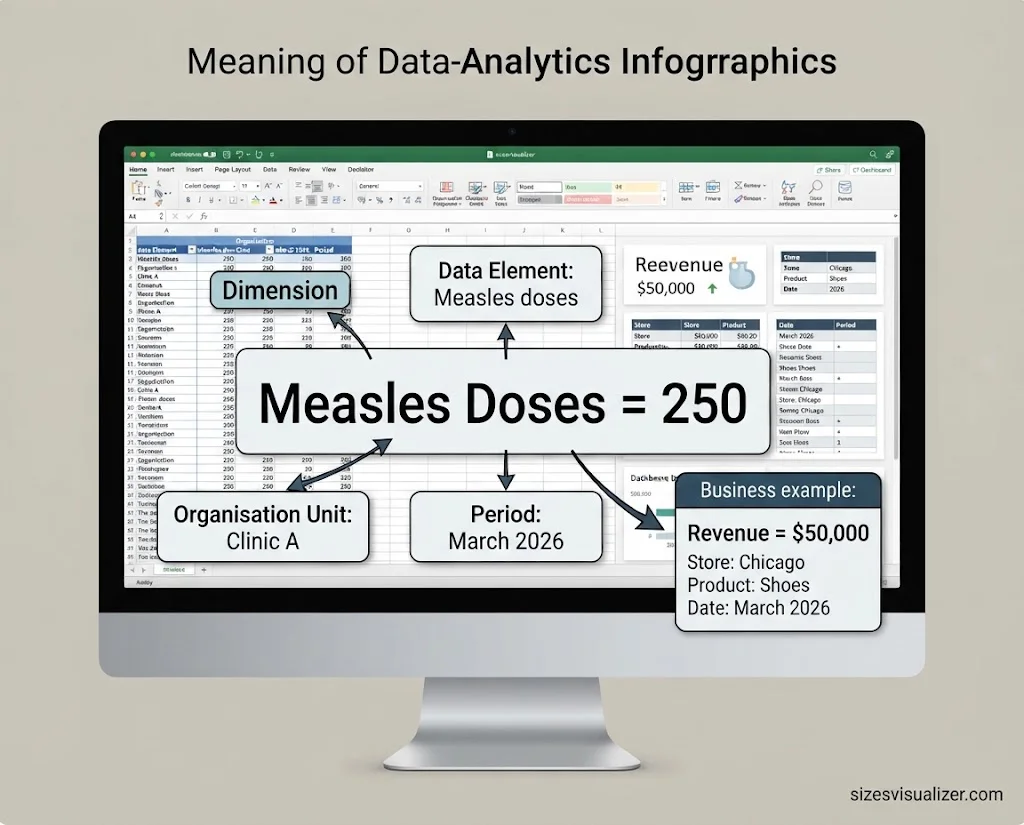
One public health data guide says a value is described by at least three dimensions: data element, organisation unit, and period. For example, it tracks measles doses at one clinic in one month. You can read it in the DHIS2 documentation.
Good dimensions make data analysis faster. They also power reports, dashboards and business intelligence tools.
Types of Data Dimension
Most data dimension fall into a few common groups. Each one answers a different question about your data.

- Time dimension: date, week, month, quarter, year.
- Geography dimension: country, state, city, store or clinic.
- Product dimension: item, brand, category.
- Customer dimension: age group, segment, region.
Data modelers also use special dimension types:
- Conformed dimension: one shared dimension used across many reports.
- Role-playing dimension: one date table used as order date and ship date.
- Junk dimension: a small table that holds loose flags and codes.
- Degenerate dimension: an ID, like an invoice number, kept in the fact table.
- Slowly changing dimension (SCD): a dimension that keeps track of changes over time.
Understanding dimensions becomes especially useful when applying measurements to real-world spaces and products. For a practical example, explore this guide to standard cabinet dimensions to see how width, depth, and height measurements are used in everyday design.
Data Dimensions Examples
Real data dimension examples make the idea click.
Retail
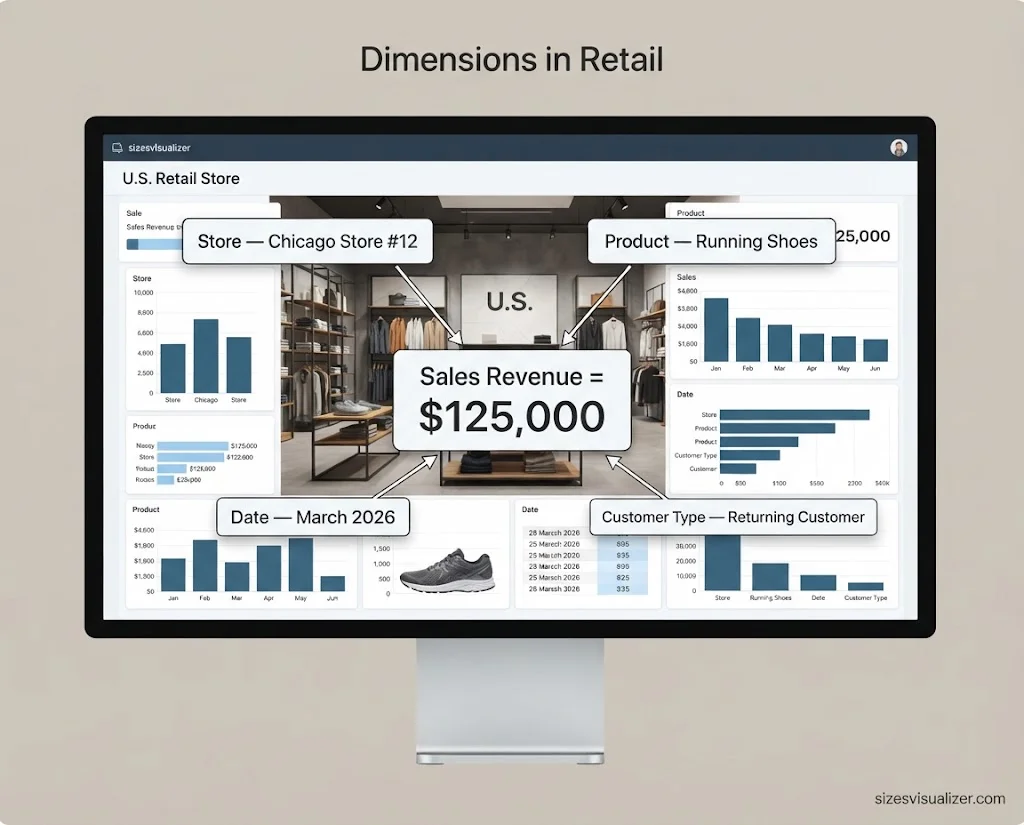
A chain reports sales. Dimensions are store, product, date and customer type. One number now answers many questions.
Healthcare
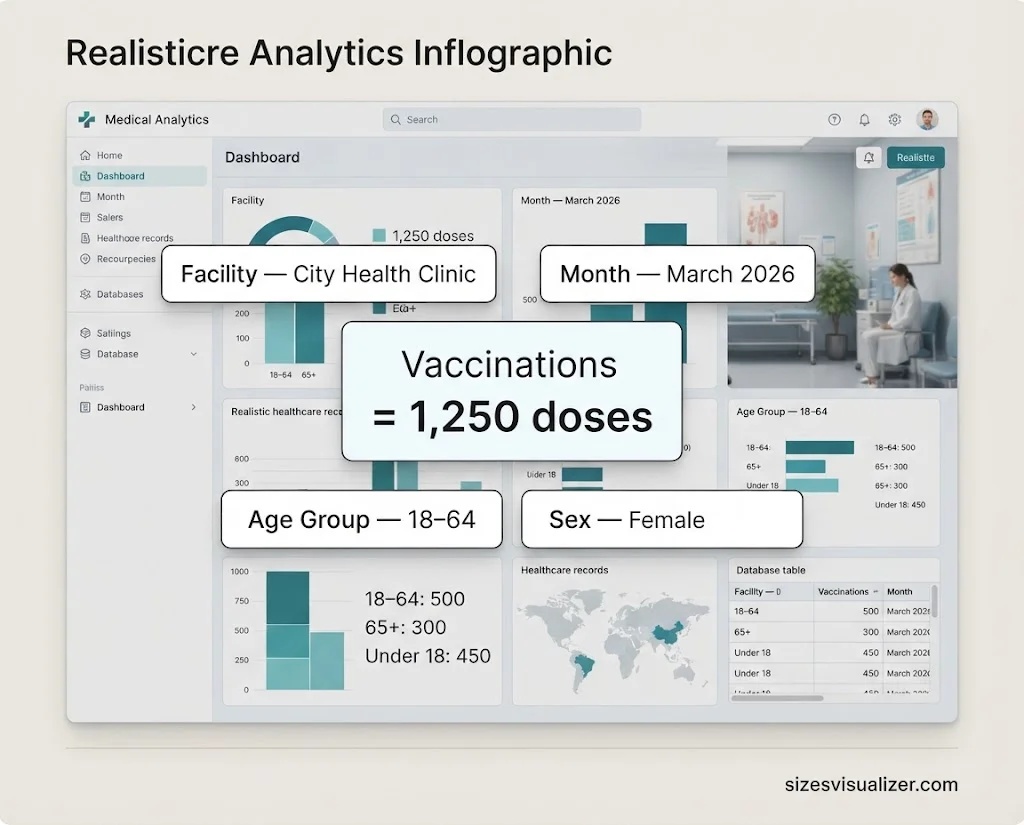
A clinic counts vaccinations. Dimensions are facility, month, age group and sex. This is called disaggregation. It splits one total into smaller, clearer parts.
Insurance billing
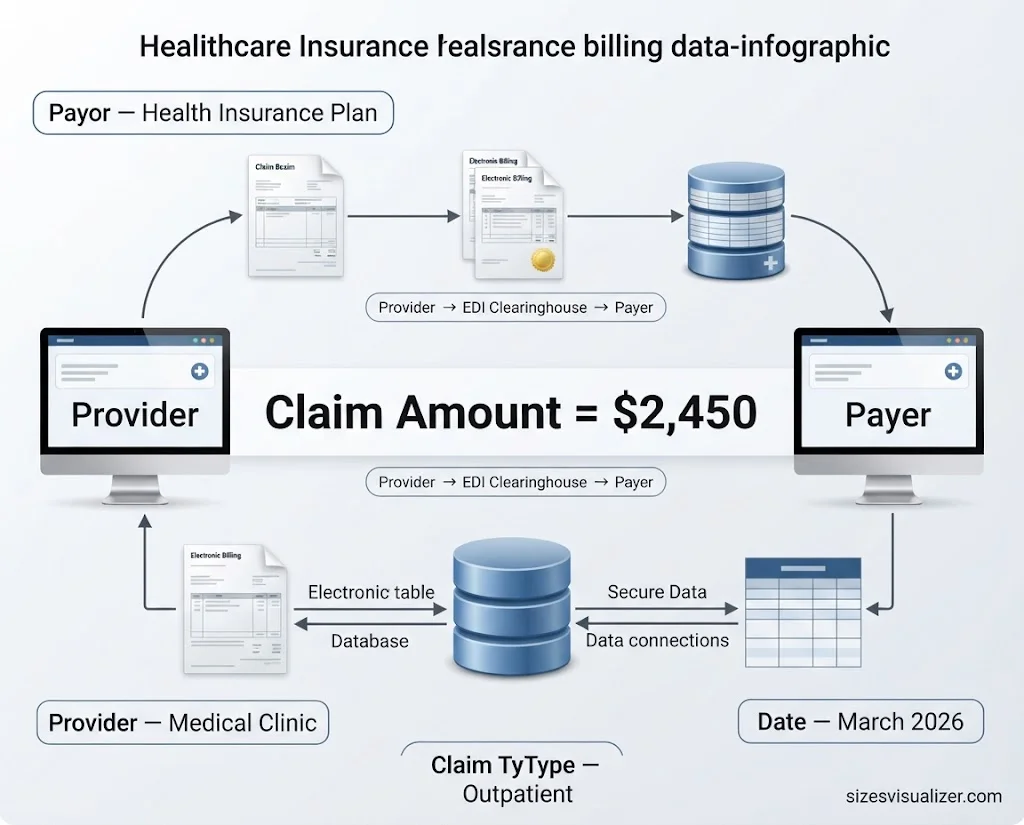
A medical bill moves from a provider to a payer. Dimensions include payor, provider, claim type and date. The company Data Dimension runs an EDI clearinghouse for this kind of workflow. Its site says it connects with over 4,400 electronic receivers.
Research data
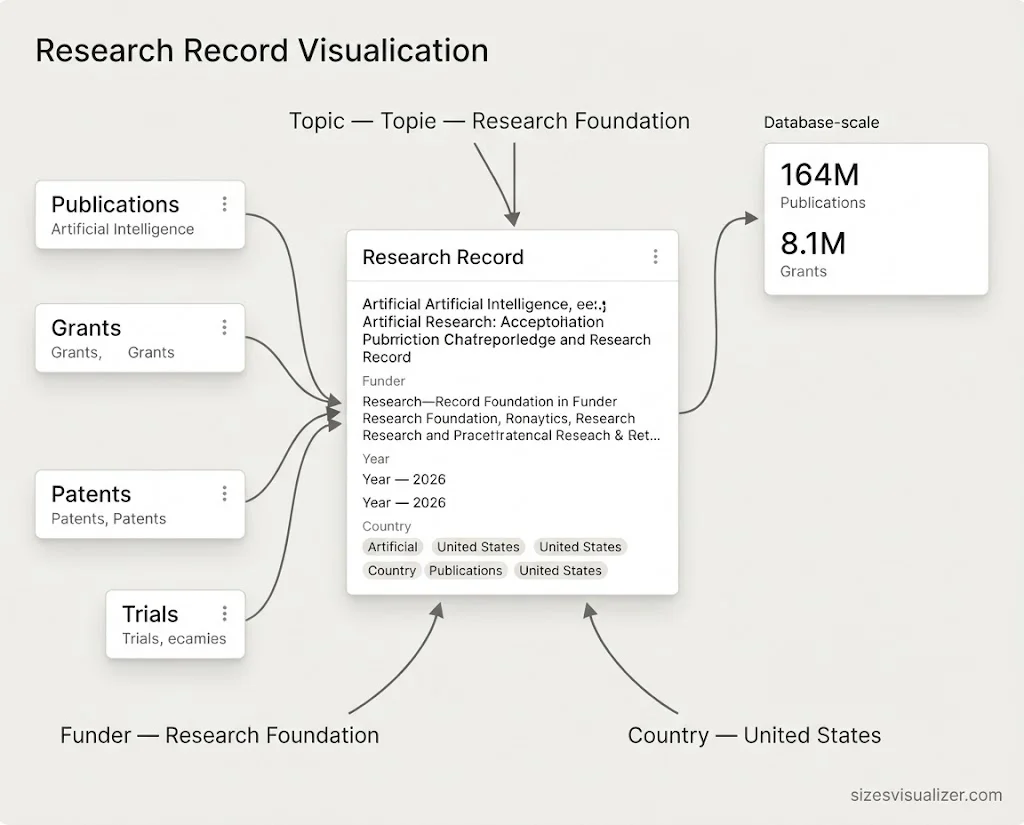
A research database links papers, grants, patents and trials. Dimensions says it holds 164m publications and 8.1m grants. Each record can be sliced by topic, funder, year and country.
One tip: pick the grain first. Grain means the level of detail in each row, such as one sale or one claim. Then add dimensions that fit that grain. Mixing grains is a common modeling error.
FAQs
What are data dimension?
Data dimension are categories that describe a data value. Common ones are time, place, product and customer. They help you group, filter and compare numbers in reports.
What are the 7 data quality dimension?
The most common list is accuracy, completeness, consistency, timeliness, validity, uniqueness and integrity. Some lists swap in relevance or reliability. They measure how trustworthy your data is.
Is Data Dimension a billing company?
Not in the usual sense. Data Dimensions is an EDI clearinghouse and technology services provider. It serves healthcare, insurance and government. It was founded in 1982 and is based in Janesville, Wisconsin. Its services include eBilling, payments and a digital mailroom.
Who is the CEO of Data Dimension?
Bryan Doyle was President and CEO. A 2026 release says he moved to Chief Business Officer at One Call after the sale. Check the company’s leadership page for any newer change.
What is a type 4 dimension?
A type 4 dimension is a slowly changing dimension that keeps old values in a separate history table. The main table holds only current values. Some modelers use “type 4” for a mini-dimension instead, so check which meaning your team uses.
What are the 7 types of data?
There is no single official list. One common version is structured, semi-structured, unstructured, quantitative, qualitative, metadata and master data.
Conclusion
Data dimension turn raw numbers into answers. They add context like time, place and category. Learn the main types of data dimension, pick your grain first, and your reports will stay clear and reliable.

Measurement Researcher, Size Comparison Writer & Content Specialist
Timmy Ahad is a dedicated content writer and research specialist at SizesVisualizer.com, where he focuses on creating accurate, easy-to-understand content about measurements, dimensions, size comparisons, and real-world object visualization.